Category: Politics

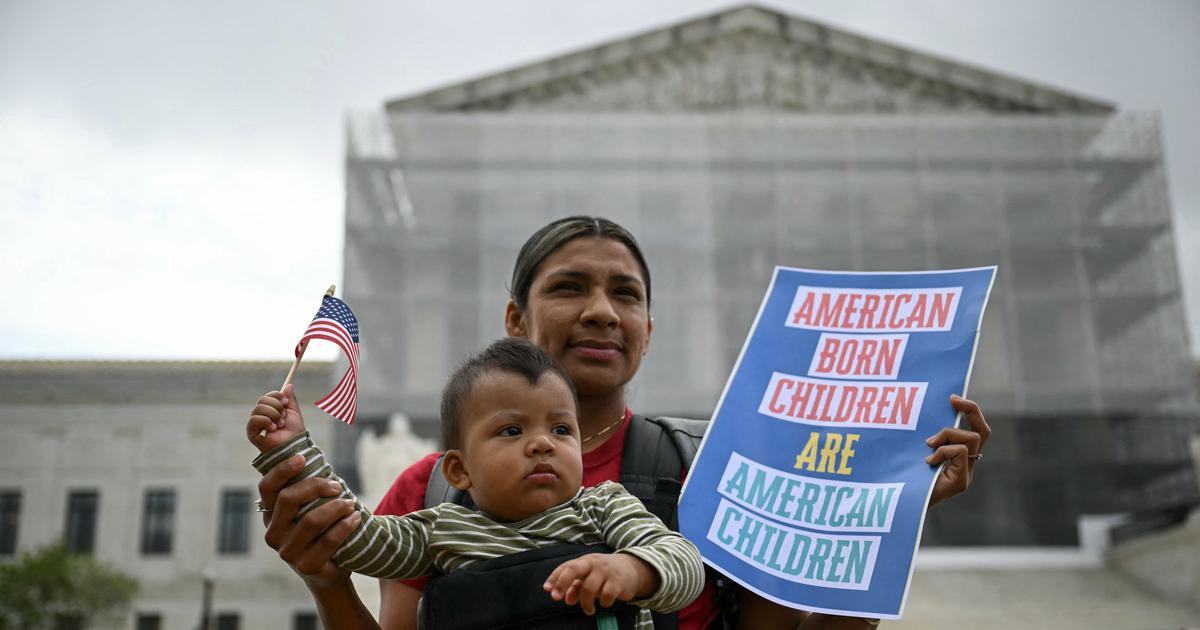
  • Analysis: Key Takeaways from the Supreme Court’s Decision to Hear the Birthright Citizenship Case

    WASHINGTON — The U.S. Supreme Court has sent shockwaves through the American legal system by agreeing to hear United States v. [Challenger], a case that could dismantle over a century of settled law regarding birthright citizenship. Following the administration’s formal petition, the Court’s decision to grant certiorari on an expedited basis suggests that a transformative ruling is imminent.

    As the nation prepares for oral arguments in late 2026, here are the critical takeaways from the Court’s announcement and what they signal for the future of the 14th Amendment.

    1. The “Originalist” Supermajority is Ready to Engage

    By taking this case, the Court’s conservative majority has signaled a willingness to revisit United States v. Wong Kim Ark (1898). The administration’s argument hinges on “originalism”—the idea that the 14th Amendment was written to provide citizenship to formerly enslaved people, not to the children of those present in the country without legal authorization. The Court’s interest suggests they find the “jurisdiction” clause of the Amendment ripe for a modern re-interpretation.

    2. The End of “Settled Law”

    For 128 years, the consensus has been that “born in the U.S.A.” equals “U.S. Citizen.” By merely placing this on the docket, the Supreme Court has effectively ended the era of “settled law” on this issue. This mirrors the Court’s approach to Dobbs, where long-standing precedents were scrutinized under a new judicial philosophy that prioritizes historical text over decades of subsequent practice.

    3. A Potential “Tiered” Citizenship System

    Legal analysts are closely watching the wording of the questions the Court has agreed to answer. There is a possibility the Court won’t issue a total ban, but rather a “middle-ground” ruling. This could create a tiered system where citizenship is only automatic if at least one parent is a citizen or a legal permanent resident, leaving others in a state of “deferred status” or “permanent residency” without a path to a passport.

    4. Massive Implications for Federal Agencies

    If the Court rules in favor of the administration, the logistical fallout will be immense.

    • The SSA and State Department: Social Security and Passport offices would immediately need to change their verification processes.
    • Hospitals: Birth certificates might no longer serve as prima facie evidence of citizenship, requiring parents to provide their own immigration papers at the time of delivery.

    5. The 2026 Midterm “Lightning Rod”

    The timing of the Court’s decision—likely to be handed down in the heat of the 2026 midterm election cycle—guarantees that birthright citizenship will be the central campaign issue for both parties. For the administration, it is a fulfillment of a cornerstone promise; for the opposition, it is a “constitutional emergency” that will be used to galvanize voters.

    6. International Repercussions

    The U.S. is one of the few developed nations that offers unrestricted jus soli (right of the soil) citizenship. A move away from this policy would bring the U.S. closer to the “jus sanguinis” (right of blood) models used in much of Europe and Asia. This shift could fundamentally change the United States’ global identity as a “nation of immigrants.”
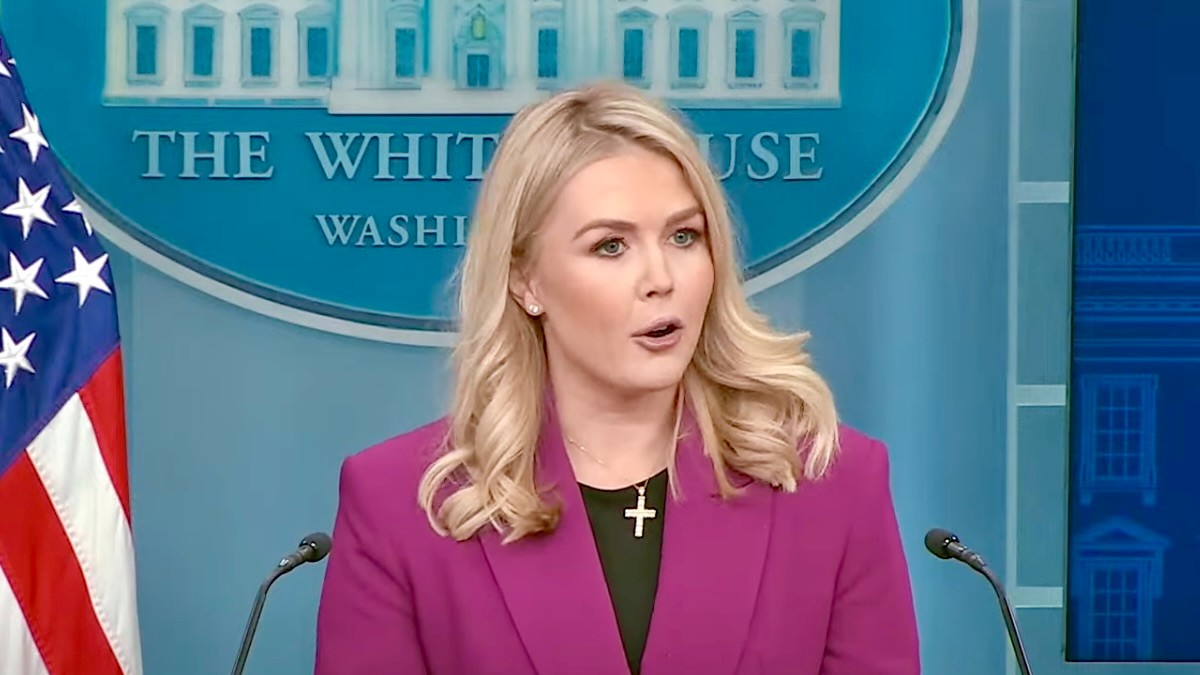

  • Behind the Scenes: Karoline Leavitt Suggests Iranian Leadership May Be “More Reasonable” in Private

    Behind the Scenes: Karoline Leavitt Suggests Iranian Leadership May Be “More Reasonable” in Private

    WASHINGTON — In a surprising departure from the administration’s typically ironclad rhetoric, White House Press Secretary Karoline Leavitt indicated during a Monday press briefing that private diplomatic channels suggest Iranian leadership may be more open to negotiation than their public posturing implies.

    The comments come at a critical juncture as the U.S. continues its dual-track strategy of military deterrence in the Strait of Hormuz and quiet diplomatic overtures aimed at de-escalation.

    The Disconnect Between Public and Private

    Leavitt addressed reporters regarding the recent “shuttle diplomacy” taking place in neutral territories like Oman and Qatar. She noted that while the televised speeches from Tehran remain defiant, the technical teams engaged in back-channel talks are showing a different temperament.

    “There is often a significant gap between the theater of state-run media and the reality of the negotiating table,” Leavitt said. “What we are seeing behind the scenes are leaders who understand the economic and military gravity of the current situation. In private, the tone is notably more pragmatic—dare I say, reasonable.”

    The Strategy of “Calculated Pressure”

    The Press Secretary clarified that this perceived “reasonableness” is likely a direct result of the administration’s maximum pressure campaign. By combining heavy naval deployments with strict financial sanctions, the U.S. believes it has forced a shift in Iran’s internal calculus.

    Key indicators of this shift include:

    • Technical Cooperation: A renewed willingness to discuss IAEA monitoring of specific nuclear sites.
    • Maritime De-confliction: A decrease in aggressive maneuvers by the IRGC Navy during private “hotline” communications.
    • Economic Necessity: An acknowledgment from Iranian officials that the current trajectory is unsustainable for their domestic economy.

    Skepticism on Capitol Hill

    The notion of a “reasonable” Iranian leadership was met with immediate pushback from several hawks in Congress. Critics argue that Tehran has a long history of using “reasonable” private dialogue as a stalling tactic to avoid further sanctions while continuing their regional proxy wars.

    “We have seen this movie before,” said Senator Tom Cotton in a follow-up statement. “The regime plays the ‘moderate’ card in private to buy time. We must judge them by their actions in the Persian Gulf, not their whispers in Muscat.”

    The “Leavitt Doctrine” on Transparency

    When pressed on why the administration is sharing these insights now, Leavitt explained that the American public deserves to know that a peaceful path remains the priority. “We are not seeking war. If there is a window for a diplomatic off-ramp that secures our interests and protects our allies, we are going to explore it.”

    What’s Next?

    The State Department is expected to send a high-level delegation to Doha later this week for a fresh round of indirect talks. Whether this “private reasonableness” translates into a formal treaty or a lasting ceasefire remains the primary question for 2026.

    As the administration balances the “big stick” of naval power with the “carrot” of diplomatic relief, the world is watching to see which version of the Iranian leadership eventually wins out.

  • High-Flying Controversy: Army Investigates Unauthorized Helicopter Flight for Kid Rock

    High-Flying Controversy: Army Investigates Unauthorized Helicopter Flight for Kid Rock

    NASHVILLE — The U.S. Army has launched an official investigation into a “highly irregular” flight involving a military helicopter that transported musician Kid Rock from a private event in Nashville to a high-level political gathering.

    The incident, which occurred late Monday, has sparked a firestorm of criticism over the potential misuse of taxpayer-funded military assets for civilian and political purposes.

    The Flight in Question

    According to flight manifests and eyewitness reports, an Army UH-60 Black Hawk—assigned to a regional National Guard unit—picked up the rock star (born Robert Ritchie) following a performance at a local venue. The helicopter then flew directly to a restricted landing zone near a private estate where several high-ranking administration officials were gathered.

    While the military often coordinates with public figures for USO tours or recruitment events, officials at the Pentagon were quick to distance themselves from this specific trip.

    “Unauthorized and Unvetted”

    “At this time, we have no record of an approved mission request for this transportation,” said an Army spokesperson in a Tuesday morning briefing. “Army assets are reserved for official training, operational missions, and approved public affairs engagements. The use of a Black Hawk as a private air taxi is a violation of Department of Defense regulations.”

    The investigation is currently focused on:

    • Chain of Command: Who authorized the flight at the local unit level?
    • Cost Recovery: Determining the total taxpayer cost for the flight hours, fuel, and crew time.
    • Safety Protocols: Whether the flight bypassed standard civilian-military air traffic control coordination in the busy Nashville corridor.

    Kid Rock’s Response

    A representative for Kid Rock issued a brief statement, claiming the musician was “invited” to the transport and assumed all proper channels had been cleared. “Bob has always been a massive supporter of our troops. He was told this was a standard ‘liaison flight’ and was honored to fly with the brave men and women in uniform.”

    Political Fallout in Washington

    The timing of the flight has added fuel to an already heated political environment. Critics in Congress are calling for a broader audit of how military resources are being used to support “VIP guests” of the administration.

    “The military is not a personal concierge service for celebrities,” said Representative Ruben Gallego, a member of the House Armed Services Committee. “We need to know how a multi-million dollar aircraft was diverted for a social call while our units are facing readiness and maintenance backlogs.”

    Next Steps

    The pilots and crew involved have been grounded pending the results of the inquiry. If the flight is found to be a violation of the Uniform Code of Military Justice (UCMJ), those involved could face disciplinary action ranging from letters of reprimand to court-martial.

    As the investigation unfolds, the “Nashville Flyover” serves as a stark reminder of the rigid boundaries between celebrity culture and military discipline.

  • Constitutional Showdown: Trump Administration Moves to End Birthright Citizenship via Supreme Court

    Constitutional Showdown: Trump Administration Moves to End Birthright Citizenship via Supreme Court

    WASHINGTON — In a move that sets the stage for one of the most consequential legal battles in American history, the Trump administration officially filed a petition with the Supreme Court on Tuesday, seeking to end the long-standing practice of automatic birthright citizenship for the children of undocumented immigrants.

    The filing follows an executive order signed earlier this year, which asserts that the 14th Amendment has been “misinterpreted for decades.”

    The Core Argument: “Subject to the Jurisdiction”

    At the heart of the administration’s legal challenge is a specific clause in the 14th Amendment, which grants citizenship to those born in the U.S. and “subject to the jurisdiction thereof.”

    The administration’s lawyers argue that this phrase was never intended to apply to individuals whose parents are in the country illegally. “To be ‘subject to the jurisdiction’ requires a requirement of allegiance that an illegal alien simply cannot fulfill,” a senior White House official stated. “We are asking the Court to return to the originalist understanding of the Reconstruction-era framers.”

    A Departure from Century-Old Precedent

    Since the landmark 1898 case United States v. Wong Kim Ark, the Supreme Court has generally upheld that anyone born on U.S. soil is a citizen, regardless of their parents’ status. By bringing this case now, the administration is betting on the current conservative supermajority of the Court to overturn over 125 years of established precedent.

    The Administration’s Proposed Changes:

    • Prospective Enforcement: The policy would not be retroactive; it would only apply to children born after a specific date in 2026.
    • Biometric Birth Certificates: A new federal standard for birth certificates that would require proof of at least one parent’s legal status to trigger automatic citizenship.
    • Standardized Status: Children born to two undocumented parents would instead be granted a “temporary residency permit” linked to their parents’ legal cases, rather than a U.S. passport.

    The Opposition: A “Constitutional Crisis”

    Civil rights groups, including the ACLU and the Southern Poverty Law Center, immediately filed motions to block the order, calling it a “direct assault on the Constitution.”

    “The 14th Amendment was written specifically to ensure that citizenship was a matter of birth, not a matter of politics or bloodline,” said Sarah Evans, a constitutional scholar. “If the administration succeeds, they aren’t just changing immigration law—they are effectively rewriting the social contract of the United States.”

    Potential Economic and Social Impact

    Economists have warned that ending birthright citizenship could create a permanent “underclass” of residents who live, work, and pay taxes in the U.S. but lack the legal protections of citizenship. Conversely, supporters of the move argue it will remove a major “pull factor” for illegal immigration and save billions in long-term social service costs.

    The Road to the High Court

    The Supreme Court is expected to decide by the end of this term whether it will hear the case on an expedited basis. If the Court takes the case, a ruling could come as early as late 2026, coinciding with the mid-term election cycle.

    As the nation waits, the filing has already sparked a massive wave of protests and counter-protests in front of federal courthouses across the country, highlighting the deep cultural and legal divisions this case has reawakened.

  • A “Gilded Legacy”: Eric Trump Unveils Architectural Vision for Presidential Library

    A “Gilded Legacy”: Eric Trump Unveils Architectural Vision for Presidential Library

    PALM BEACH, FL — Standing before a series of high-definition digital displays, Eric Trump has pulled back the curtain on the first official renderings of the Donald J. Trump Presidential Library. Described as a “monument to the greatest political movement in history,” the project promises to redefine the traditional concept of a presidential archive.

    The unveiling, which took place Tuesday, confirms that the facility will be a massive, multi-use complex blending historical preservation with the luxury branding synonymous with the Trump Organization.

    “More Than a Museum”

    The renderings depict a sprawling estate characterized by neoclassical architecture, featuring towering white marble columns, expansive glass facades, and a signature gold-leaf dome that will be visible for miles. Eric Trump emphasized that the library is designed to be a “living breathing destination” rather than a quiet research facility.

    Key features highlighted in the renderings include:

    • The Patriot Plaza: A massive outdoor amphitheater designed to host future political rallies and town halls.
    • The Immersive Oval: A 1:1 scale replica of the Oval Office as it appeared during the 45th and 47th administrations, utilizing augmented reality to let visitors “sit in the chair.”
    • The “Winning” Gallery: A dedicated wing showcasing the administration’s economic achievements, judicial appointments, and international summits through interactive 4D displays.

    The Commercial Element

    In a departure from the 15 existing presidential libraries managed by the National Archives, the Trump library renderings include integrated commercial spaces. Plans show a luxury boutique hotel and a high-end “Commander-in-Chief” steakhouse on the campus grounds.

    “This is about the Trump brand,” Eric Trump said during the presentation. “We want people to come here, stay here, and truly experience the lifestyle and the leadership that my father brought back to the White House.”

    Funding and Location

    Eric Trump confirmed that the project will be entirely privately funded through a dedicated foundation. While several locations in Florida were considered, the renderings are specifically tailored for a site in the Palm Beach area, reinforcing the region’s status as the “Winter White House.”

    The project is estimated to cost nearly $2 billion, making it the most expensive presidential library ever conceived.

    Addressing the Critics

    The ambitious scale of the library has already drawn scrutiny from architectural critics and urban planners. Some have questioned the environmental impact of such a massive marble-and-glass structure in the Florida climate, while others have raised concerns about the potential for traffic gridlock in the affluent coastal community.

    Legal scholars are also watching closely to see how the Trump Organization’s private commercial interests will mesh with the federal requirements of the Presidential Records Act.

    The Path to Groundbreaking

    With the renderings now public, the Trump Foundation expects to begin the local zoning and permitting process by late 2026. If the timeline holds, construction could begin as early as 2027, with a grand opening targeted for the end of the decade.

    “This isn’t just for today,” Eric Trump concluded. “This is for the next hundred years. We are building a landmark that will tell the true story of the American comeback.”

  • Escalation in the Gulf: President Trump Issues Ultimatum Over Iranian Civilian Infrastructure

    Escalation in the Gulf: President Trump Issues Ultimatum Over Iranian Civilian Infrastructure

    WASHINGTON — In a dramatic escalation of rhetoric, President Donald Trump issued a stern warning to Tehran on Tuesday, stating that the United States is prepared to target “non-military assets and civilian infrastructure” if a comprehensive new nuclear and security deal is not reached within a specified timeframe.

    The President’s comments, delivered during an impromptu press briefing, represent a significant departure from traditional rules of engagement and have sent shockwaves through international diplomatic circles.

    The “Art of the Ultimate Deal”

    President Trump characterized the current stalemate as a failure of past diplomacy, asserting that only “total pressure” would bring the Iranian leadership back to the negotiating table. He argued that the distinction between military and dual-use civilian infrastructure has become a “shield” for the Iranian government.

    “We’ve played by their rules for too long,” the President said. “If they don’t want a deal that protects the world, then they have to understand that everything—energy, transport, the things that keep their regime running—is on the table. We want a deal, but we aren’t going to wait forever.”

    Legal and Ethical Outcry

    The threat to target civilian structures has drawn immediate and fierce condemnation from human rights organizations and international legal experts. Under the Geneva Conventions, the targeting of civilian infrastructure that does not provide a direct military advantage is strictly prohibited.

    Key areas of concern include:

    • The Power Grid: Threats to electrical infrastructure could impact hospitals, water treatment plants, and basic survival for millions of non-combatants.
    • Economic Hubs: Targeting ports or financial centers could lead to a total collapse of the regional economy, triggering a massive refugee crisis.
    • International Precedent: Experts warn that such a policy could dismantle decades of international norms regarding the protection of civilians during wartime.

    Strategic Objectives vs. Humanitarian Risk

    Military analysts are divided on the effectiveness of this “maximum pressure 2.0” strategy. While some argue that the threat alone may force a cash-strapped Iranian government to make concessions, others fear it will only solidify domestic support for the regime and lead to asymmetric retaliation against U.S. interests globally.

    Global Market Reaction

    Global energy markets reacted instantly to the President’s remarks, with oil prices spiking as traders weighed the possibility of a full-scale conflict in the Persian Gulf. Allied nations in Europe and the Middle East have called for “restraint and a return to established diplomatic channels,” expressing concern that the rhetoric could lead to an accidental “flash war.”

    The 30-Day Window

    The President suggested a 30-day window for “meaningful progress” before the U.S. considers “kinetic options” against a broader range of targets. While the White House has not yet released a formal list of demands, it is understood that the administration is seeking a total cessation of uranium enrichment and an end to regional proxy funding.

    As the clock begins to tick on this new ultimatum, the international community is bracing for what could be the most volatile month in U.S.-Iranian relations in decades.

  • Strategic Pivot: Defense Secretary Pete Hegseth Outlines Troop Deployment and the Path to Ending the Iran Conflict

    Strategic Pivot: Defense Secretary Pete Hegseth Outlines Troop Deployment and the Path to Ending the Iran Conflict

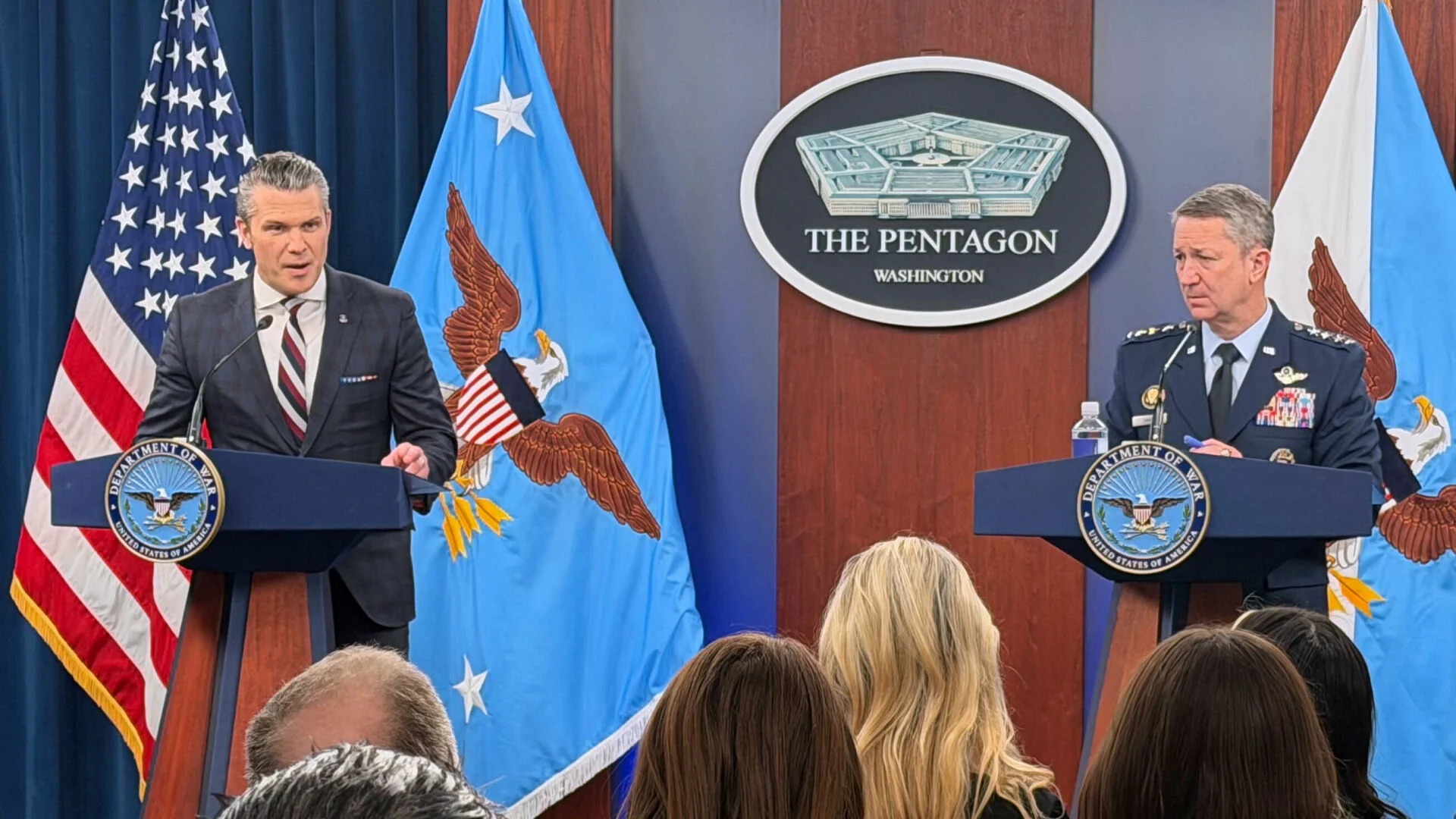
    WASHINGTON — In a landmark briefing Tuesday, Defense Secretary Pete Hegseth provided the most detailed look yet at the administration’s military strategy regarding Iran, focusing on the critical Strait of Hormuz and the long-term goal of bringing the current hostilities to a decisive end.

    Hegseth’s address signaled a shift toward “overwhelming naval presence” designed to ensure global energy security while simultaneously setting the stage for a withdrawal of ground forces.

    Securing the Strait of Hormuz

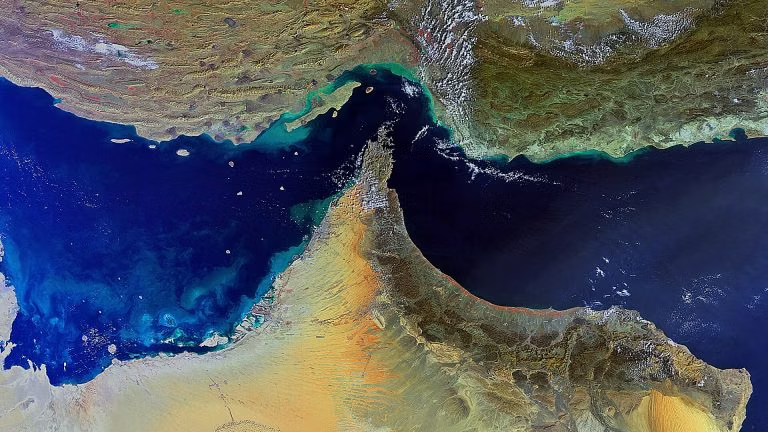
    A primary focus of the Secretary’s remarks was the Strait of Hormuz, the world’s most sensitive oil transit chokepoint. Following recent skirmishes, Hegseth announced the deployment of additional carrier strike groups and advanced underwater surveillance drones to the region.

    “The Strait of Hormuz will remain open,” Hegseth stated. “We are not interested in a permanent occupation, but we will maintain the capability to neutralize any threat to international shipping lanes within minutes.”

    Deployment Logistics and High-Tech Warfare

    Hegseth detailed a “recalibrated” deployment strategy. Rather than large-scale infantry build-ups, the U.S. is leaning heavily on:

    • Rapid Response Units: Smaller, highly mobile elite teams capable of surgical strikes.
    • Integrated AI Defense: Utilizing automated systems to intercept incoming missile threats before they reach regional allies.
    • Cyber Interdiction: Disrupting command-and-control structures to prevent escalations without the need for traditional kinetic fire.

    Defining the “End State”

    The most significant portion of the briefing addressed how the war in Iran might actually end. Hegseth rejected the idea of a “forever war,” emphasizing that the administration’s goal is “strategic decapitation” of hostile capabilities rather than nation-building.

    “Our mission is clear: dismantle the threat, secure the waterways, and bring our troops home,” Hegseth said. “We are defining the end state by the total removal of Iran’s ability to project regional terror, not by the number of years we stay on the ground.”

    Domestic and International Reaction

    The Secretary’s “strength-first” approach has drawn mixed reactions:

    • Congressional Support: Proponents argue that a clear, aggressive stance is the only way to deter further Iranian aggression and protect the global economy.
    • Diplomatic Concerns: Some international allies expressed worry that the increased naval presence could lead to an accidental escalation in one of the world’s most crowded waterways.

    The Road Ahead

    As additional assets move into the Persian Gulf, Hegseth confirmed that the Department of Defense is working on a 12-month “stability roadmap.” This plan aims to transition security responsibilities to a coalition of regional partners, provided specific “security benchmarks” are met by late 2026.

    The briefing serves as a stern warning to Tehran while attempting to reassure a domestic audience wary of long-term Middle Eastern entanglements.

  • “No Kings” Movement: Iconic Signs and Massive Crowds Define a New Era of Protest

    “No Kings” Movement: Iconic Signs and Massive Crowds Define a New Era of Protest

    WASHINGTON — Across the United States, a burgeoning grassroots movement under the banner “No Kings” has taken to the streets, filling city squares and national landmarks with a sea of creative defiance. What began as a legal debate over executive immunity has transformed into a visual and cultural phenomenon, captured in a series of striking photographs and viral posters that define the spring of 2026.

    From the steps of the Lincoln Memorial to the civic centers of the Midwest, the “No Kings” rallies are characterized not just by their size, but by a unique aesthetic of DIY political art.

    The Anatomy of a Movement

    The “No Kings” slogan emerged following a series of controversial judicial rulings and executive actions that critics argue have concentrated too much power in the presidency. The movement’s core message is simple: In a democracy, no one is above the law.

    The rallies have drawn a cross-section of American life—students, veterans, and legal scholars—all united by the concern that the fundamental checks and balances of the U.S. government are being eroded.

    The Art of Defiance: Unique Signs and Symbols

    The most recent gallery of photos from the D.C. rally showcases a level of creativity rarely seen in modern protests. Some of the most frequently photographed signs include:

    • The “Scale of Justice” Poster: A minimalist design showing a scale tipped heavily by a golden crown, with the caption, “Weightless Without Accountability.”
    • Historical Callbacks: Hundreds of protesters have been seen carrying replicas of 18th-century revolutionary pamphlets, modernized with 21st-century QR codes that link to the text of the Constitution.
    • The “Empty Throne”: A recurring visual theme in many rallies involves a literal empty chair placed on a stage, symbolizing the office of the presidency as a temporary seat of service rather than a permanent seat of power.

    A Peaceful but Resolute Presence

    Despite the high-stakes political nature of the protests, the atmosphere has remained remarkably disciplined. Organizers have utilized “peace marshals” to ensure that the focus remains on the constitutional message.

    “We aren’t here to tear anything down,” said Marcus Thorne, a local organizer in Chicago. “We are here to remind the people in that building that they work for us. The signs are funny, the art is great, but the message is deadly serious.”

    The Digital Echo

    The movement has found a massive second life online. High-resolution photos of the “No Kings” crowds have become the backdrop for a new wave of digital activism. Analysts suggest that the “visual identity” of this movement—the specific shades of blue and gold and the “No Kings” typography—has helped it scale faster than previous protests.

    Looking Ahead

    With more rallies planned for the early summer, the “No Kings” movement shows no signs of slowing down. Legal experts suggest that the sheer visibility of these protests is putting pressure on legislative bodies to consider new “Accountability Acts” to clarify the limits of executive power.

    As the 2026 election cycle approaches, these photos and signs serve as a vivid reminder of the enduring American tradition of public dissent.

  • “The Sky is the Limit”: Border Czar Tom Homan Outlines Bold Expansion of ICE Operations at U.S. Airports

    “The Sky is the Limit”: Border Czar Tom Homan Outlines Bold Expansion of ICE Operations at U.S. Airports

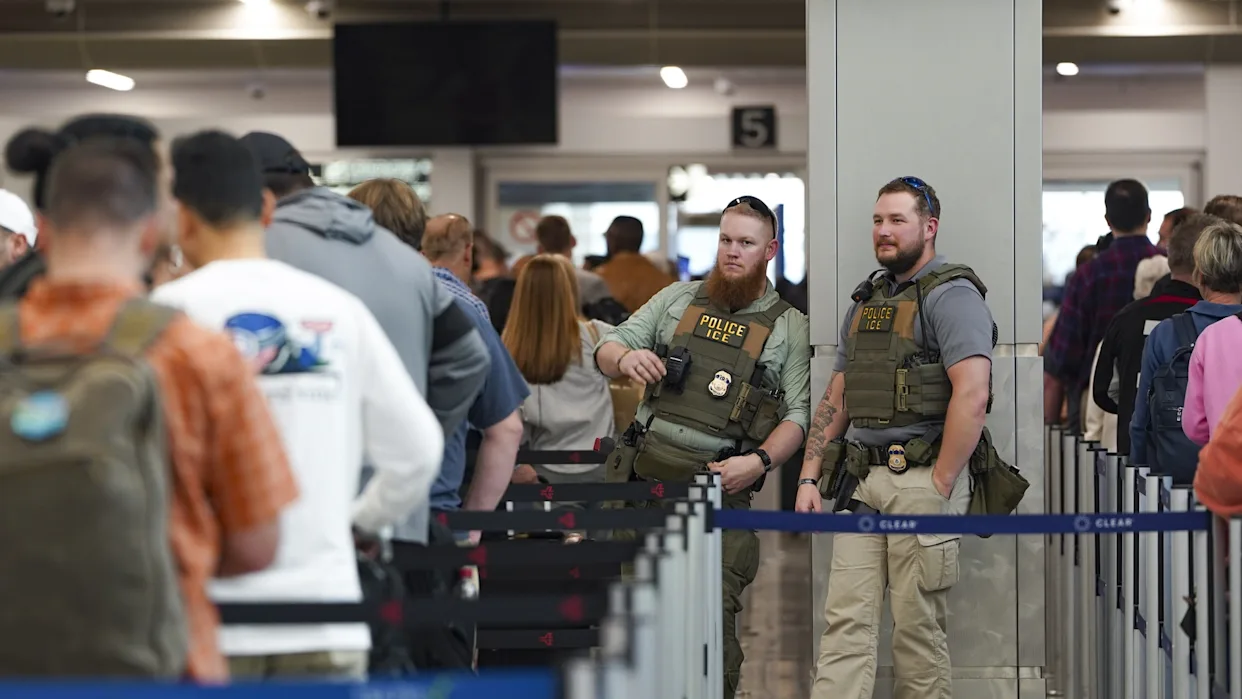
    WASHINGTON — In a move signaled to redefine interior enforcement, Border Czar Tom Homan announced Sunday a massive expansion of Immigration and Customs Enforcement (ICE) operations within major U.S. international airports. The initiative, dubbed “Operation Sky Guardian,” aims to integrate federal immigration agents more deeply into the Transportation Security Administration (TSA) checkpoints and transit hubs.

    Homan, speaking from a high-profile security summit, emphasized that the border “doesn’t end at the Rio Grande.”

    A New Layer of Security

    Under the new directives, ICE officers will have a permanent, visible presence at “points of entry” beyond the traditional customs desks. This includes:

    • Joint Task Forces: ICE agents will work alongside TSA officers to screen passengers on domestic flights who may have bypassed traditional border controls.
    • Enhanced Data Sharing: A real-time biometric link between the Department of Homeland Security (DHS) and commercial airline manifests to flag individuals with outstanding deportation orders before they board.
    • Rapid Repatriation Centers: The conversion of unused hangar space at select international airports into temporary processing centers for immediate removal flights.

    Homan’s Hardline Stance

    The announcement marks a significant shift in the administration’s strategy, moving from a focus on the physical border to a “360-degree” enforcement model.

    “If you are in this country illegally, there is no safe harbor,” Homan stated. “Airports have become a loophole for those trying to disappear into the interior. We are closing that loophole. The sky is no longer a limit for our enforcement capabilities.”

    Civil Rights and Operational Concerns

    The plan has immediately drawn fire from civil rights organizations and airline industry groups. Critics argue that increasing ICE presence at TSA checkpoints will lead to:

    • Racial Profiling: Concerns that “visual assessments” by agents could lead to the targeting of travelers based on appearance or language.
    • Travel Delays: Airline executives have warned that adding another layer of federal scrutiny could result in massive bottlenecks at already congested hubs like Hartsfield-Jackson Atlanta and LAX.
    • Jurisdictional Overreach: Legal experts are questioning the authority of ICE to conduct “roving” checks on domestic travelers without specific warrants.

    The Logistics of “ICE Air”

    A cornerstone of Homan’s plan involves the expansion of “ICE Air”—the fleet of chartered and government-owned aircraft used for deportations. By positioning these assets directly at major commercial hubs, the administration hopes to cut down the time between an arrest in the interior and a flight out of the country.

    Implementation Timeline

    The DHS expects to begin the pilot phase of Operation Sky Guardian at five major airports by the summer of 2026. If the pilot meets “enforcement benchmarks,” the program will scale to every international airport in the United States by early 2027.

    As the administration doubles down on its promise of “mass removals,” the sight of gold-badged ICE agents at terminal gates may soon become a standard part of the American travel experience.

  • The Ethics of the “Kill Chain”: Can AI Targeting Avoid Lethal Errors?

    The Ethics of the “Kill Chain”: Can AI Targeting Avoid Lethal Errors?

    WASHINGTON — As military technology advances at a breakneck pace, a haunting question is emerging from the Pentagon to the halls of international law: Is the integration of Artificial Intelligence into the “kill chain” opening a dangerous door to irreversible lethal errors?

    While proponents argue that AI can process data faster and more accurately than any human, critics warn that removing “meaningful human oversight” from the moment of engagement could lead to catastrophic consequences in modern warfare.

    Redefining the “Kill Chain”

    In military terms, the “kill chain” is the process of identifying, tracking, and striking a target. Traditionally, every step of this process required human verification. However, the 2026 battlefield now sees AI algorithms autonomously analyzing satellite imagery and drone feeds to flag potential threats in milliseconds.

    The strategic advantage is clear: speed. In a high-intensity conflict, the side that can execute the kill chain fastest often wins. But as the “loop” becomes increasingly automated, the window for human intervention—and the ability to catch a mistake—is shrinking.

    The Risk of Algorithmic Bias

    The primary concern for human rights advocates is the “black box” nature of AI. Machine learning models are only as good as the data they are trained on. If an algorithm is trained in one environment, it may fail to distinguish between a combatant and a civilian in a different, more chaotic urban setting.

    Potential points of failure include:

    • Misidentification: An AI might mistake a farming tool for a weapon or a civilian vehicle for a military transport due to pixel-level anomalies.
    • Contextual Blindness: Unlike humans, AI struggles to understand intent. It cannot easily distinguish between a soldier preparing an ambush and a civilian protecting their home.
    • Accountability Gaps: If an autonomous system commits a war crime by targeting a hospital or school, the current legal framework is unclear on who—the programmer, the commander, or the machine—is held responsible.

    The “Human in the Loop” Debate

    The U.S. Department of Defense maintains a policy that a “human must remain in the loop” for all lethal decisions. However, experts suggest that “automation bias”—the tendency for humans to trust an algorithm’s suggestion without questioning it—effectively renders the human’s role a mere rubber stamp.

    “When the machine says ‘Target Confirmed’ in a split second, a human operator rarely has the time or the information to say ‘Wait,’” says Dr. Julianne Thorne, a military ethics researcher. “We are moving toward a reality where the human isn’t the pilot; they are just the passenger.”

    Toward Global Regulation

    As the technology spreads to non-state actors and rival nations, calls for a “Digital Geneva Convention” are growing louder. International bodies are debating whether to ban “Lethal Autonomous Weapons Systems” (LAWS) entirely or to implement strict, verifiable guardrails.

    Without international standards, the race for AI supremacy may inadvertently create a world where lethal errors are not just possible, but inevitable—transforming the nature of accountability in war forever.